

Key takeaways
- Net displacement = cargo weight + non-cargo weight + lightship + constant. The constant is the quiet term that can move a result by hundreds of tonnes.
- Moisture at load and discharge changes weight without changing dry cargo. Without it, a shortage may be an artefact.
- Rising markets tempt overloading; falling markets tempt consignees to dispute quality or quantity. Objective certificates are the antidote.
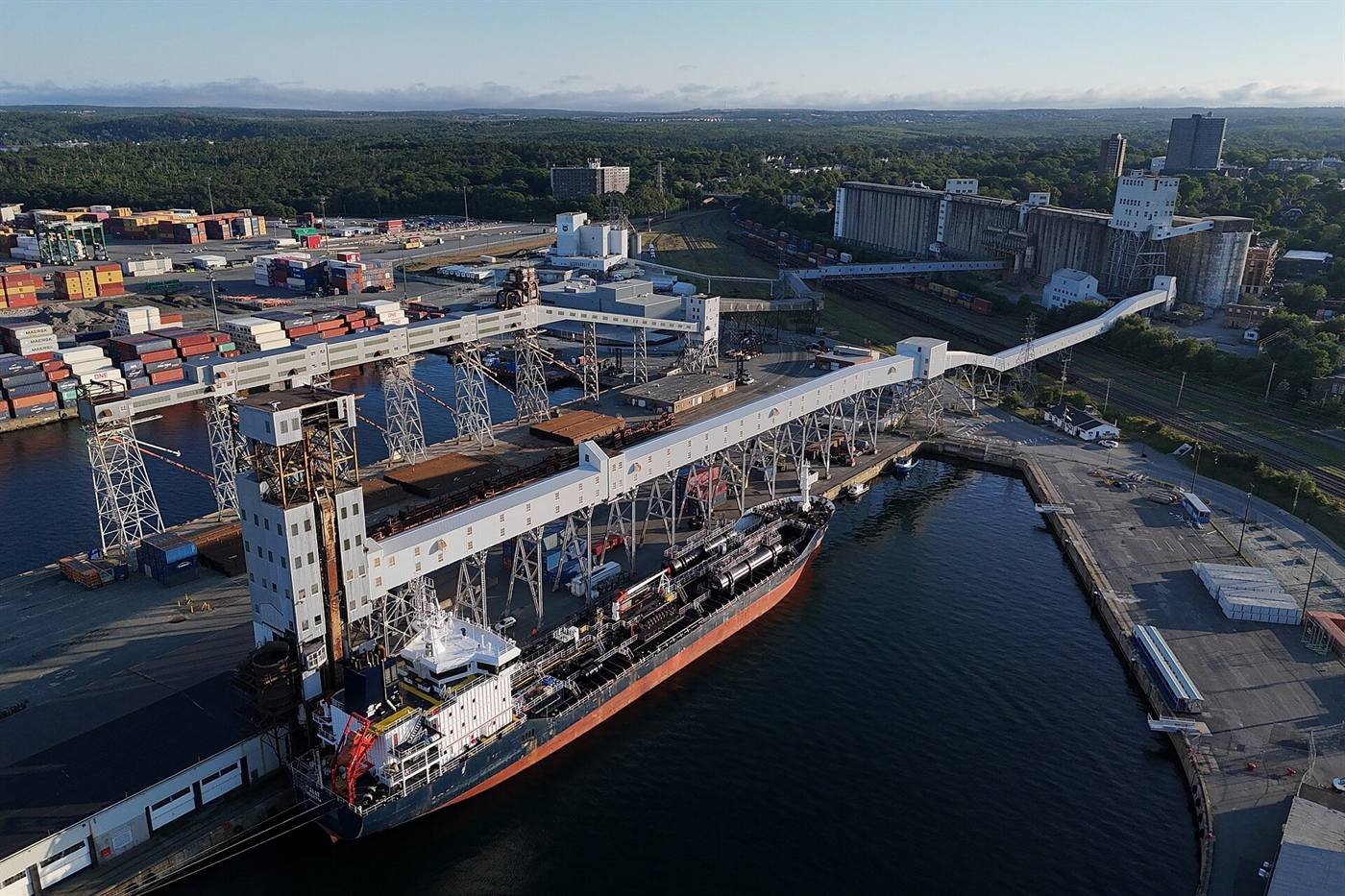
The shortage problem
Coal, grain and minerals move in bulk, and the quantity is established by a draught survey: the vessel’s displacement before and after loading or discharge. Disputes arise because every term in that calculation can be argued. A reverse analysis starts from the claimed shortage and tests whether the numbers on both sides of the voyage can stand together.
Net displacement and the constant
Net displacement = cargo weight + non-cargo weight + lightship + constant
The constant stands for the vessel’s unmeasured baseline weight. A change in the constant between ports, or a constant carried over without verification, shifts apparent cargo weight directly. In a shortage dispute it is the first term to examine.
Each survey (load port initial and final, discharge port initial and final) must balance: total displacement on one side, cargo plus non-cargo plus lightship plus constant on the other. An unbalanced line points to an arithmetic or data fault before any argument about the cargo begins.
The quantity ladder
A reverse analysis lays the movement out as a ladder so the shortage can be located:
- Bill of lading quantity against what the vessel actually received at the load port: short shipment.
- What the vessel received against what it delivered at the discharge port: short landing.
- What was landed against what the port or terminal handed over: landed but missing.
- What left the terminal against what the factory received: shortage in the hinterland.
A negative figure at any rung indicates a gain. Moisture at the load port and the unload port is then deducted, and the claim is costed on the cargo value after salvage and any policy excess.
Moisture
Moisture adds weight. Excess moisture can overload a vessel, affect stability and force cargo to be left behind at the load port; moisture loss in transit reduces delivered weight and starts quality disputes. Load port and discharge port draught reports and quality certificates must therefore be analysed together for moisture.
Overloaded vessels may discharge cargo before sailing, which shows up as a shortage at destination. Cargo that has dried out may be rejected or discounted at the discharge port.
Moral hazard follows the market
| Market | Typical temptation | Counter-measure |
|---|---|---|
| Rising | Consignors load beyond safe limits to capture the price | Independent draught surveys, moisture data at load |
| Falling | Consignees dispute quality or claim shortages to obtain a price cut | Quality certificates, moisture analysis at discharge, full survey chain |
In both cases the answer is evidence that existed before the argument started.
Questions answered
- What is net displacement in dry bulk?
- Net displacement is cargo weight plus non-cargo weight plus lightship plus the vessel constant. Draught surveys compare it before and after loading or discharge.
- Why does moisture matter in a shortage claim?
- Moisture adds or removes weight without changing the dry cargo. Load and discharge moisture must be analysed together or a shortage may simply be moisture loss.
Cite this note
iCargoFinsure Research Desk. “Dry Bulk Shortages: Net Displacement, Moisture, Moral Hazard.” Manthan, iCargoFinsure, 20 Oct 2026. https://www.icargofinsure.com/manthanblog/dry-bulk-shortages-net-displacement.html