

Manthan · the churn of cargo knowledge
Cargo knowledge, one topic at a time.
10 notes on marine cargo insurance, claims and survey practice. One idea fills the screen. Hover over a note to read its first third; open it to read the rest.
↓ scroll, or press J / K
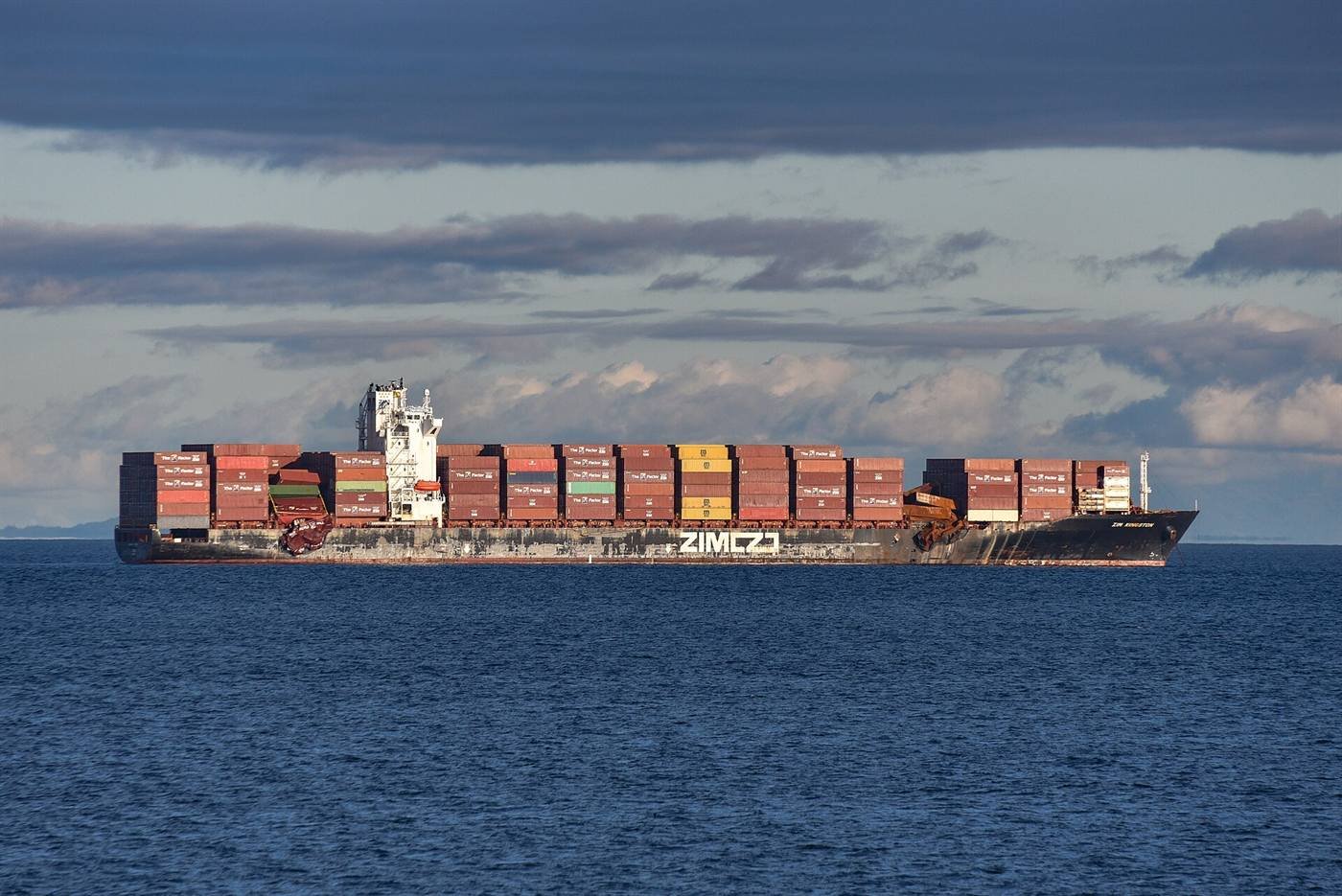
Insurer Data Leakage: What Closed Claims Forget
- 9,573claims analysed
- ₹80.39 croreestimated loss
- 33.3%under generic carrier labels
The first third · about 136 of 437 words
Across three anonymised client portfolios, 9,573 marine cargo claims carry ₹80.39 crore of estimated loss. The portfolios cover different windows, from August 2012 to February 2026, and are not a representative sample of the sector. These are estimated losses: they are not audited claims paid, not insurer net losses and not leakage savings.
The question the data raises is about knowledge more than money: what did the insurer learn from each of these claims, and where did the lesson go?
When the carrier is recorded as ‘Others’, ‘Unknown’ or an unresolved label, the experience attached to that carrier disappears. 33.3% of estimated loss across the three portfolios sits under such labels: 47.2% in the first portfolio, 57.4% in the second and 29% in the third. This is impaired attribution. It is not a demonstrated payment error.
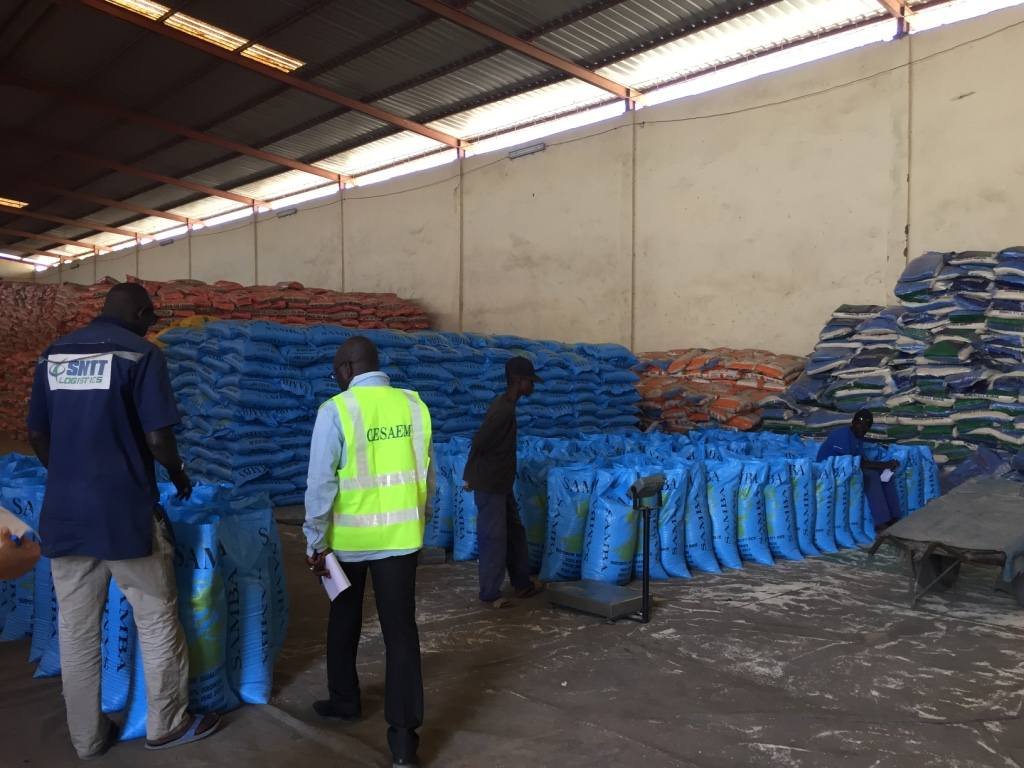
How to Quantify Damage in Paper and Newsprint Reels
The first third · about 121 of 391 words
Newsprint and paper reels travel in large numbers and carry a high value per tonne. Water, crushing and handling hooks damage the outside of the reel first. The inside is usually sound. A surveyor who writes ‘reel damaged, total loss’ overstates the claim, and one who writes ‘surface damage only’ understates it. A geometric method gives both sides a number they can check.
Cargo damage in this trade is not only the value of the paper. It includes replacement, line stoppages at the press and customer complaints. A transparent quantity is the starting point for every one of those conversations.
T: radial depth of damage, measured from the outer surface towards the core, in inches.
D: overall diameter of the reel.
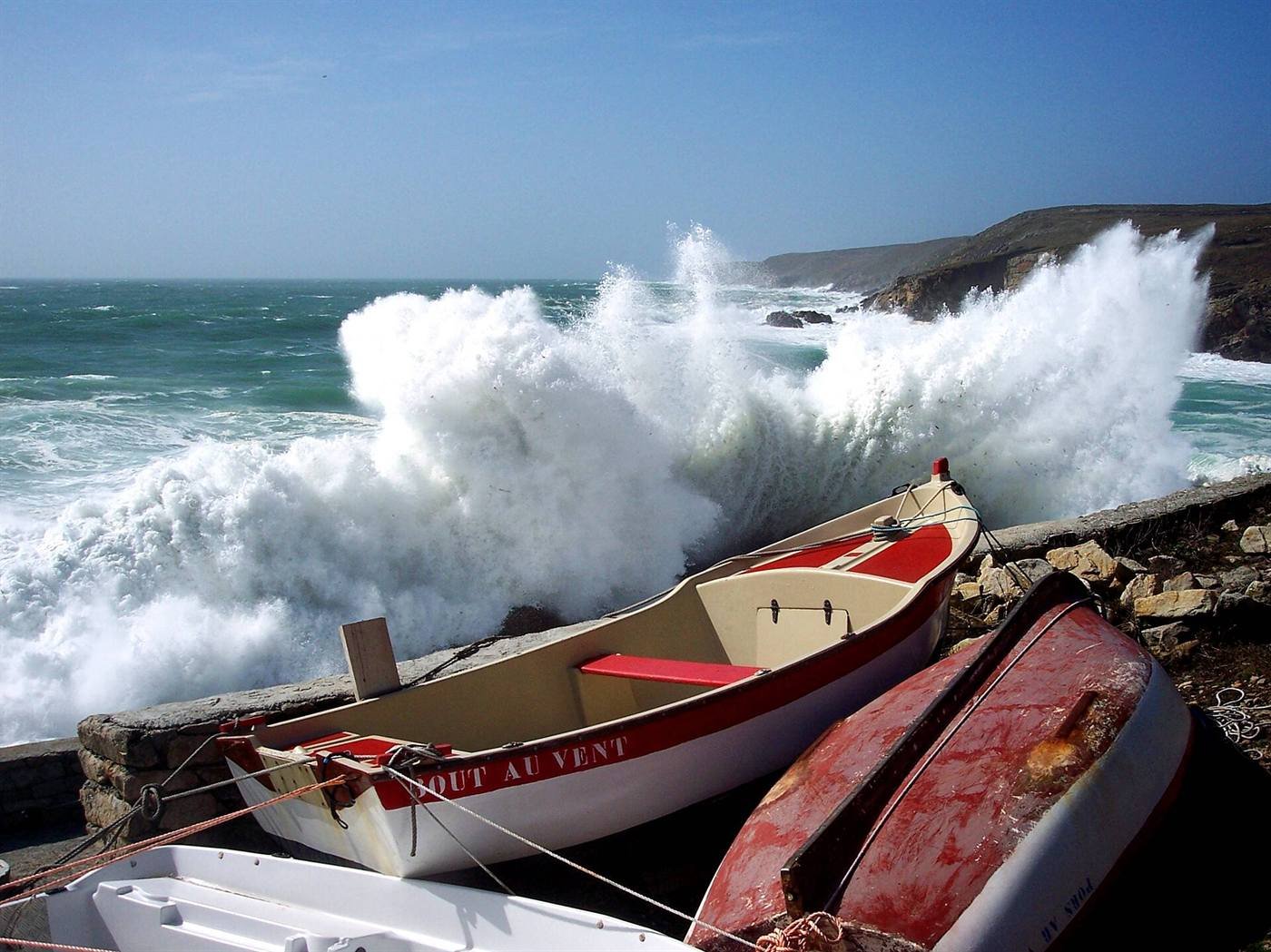
A Cyclone and Typhoon Claims SOP for Cargo Owners
The first third · about 80 of 255 words
Risk assessment and planning. Identify routes, ports and storage in cyclone-prone areas, assess how vulnerable the cargo is in transit and at rest, and write contingency plans for different scenarios.
Insurance coverage. Confirm cover against natural disasters, read exclusions and claim procedures, and set up a communication channel with the insurer.
Documentation and records. Keep accurate cargo records (quantity, value, nature), document condition with photographs, video and written notes, and hold copies of bills of lading, invoices and packing lists.
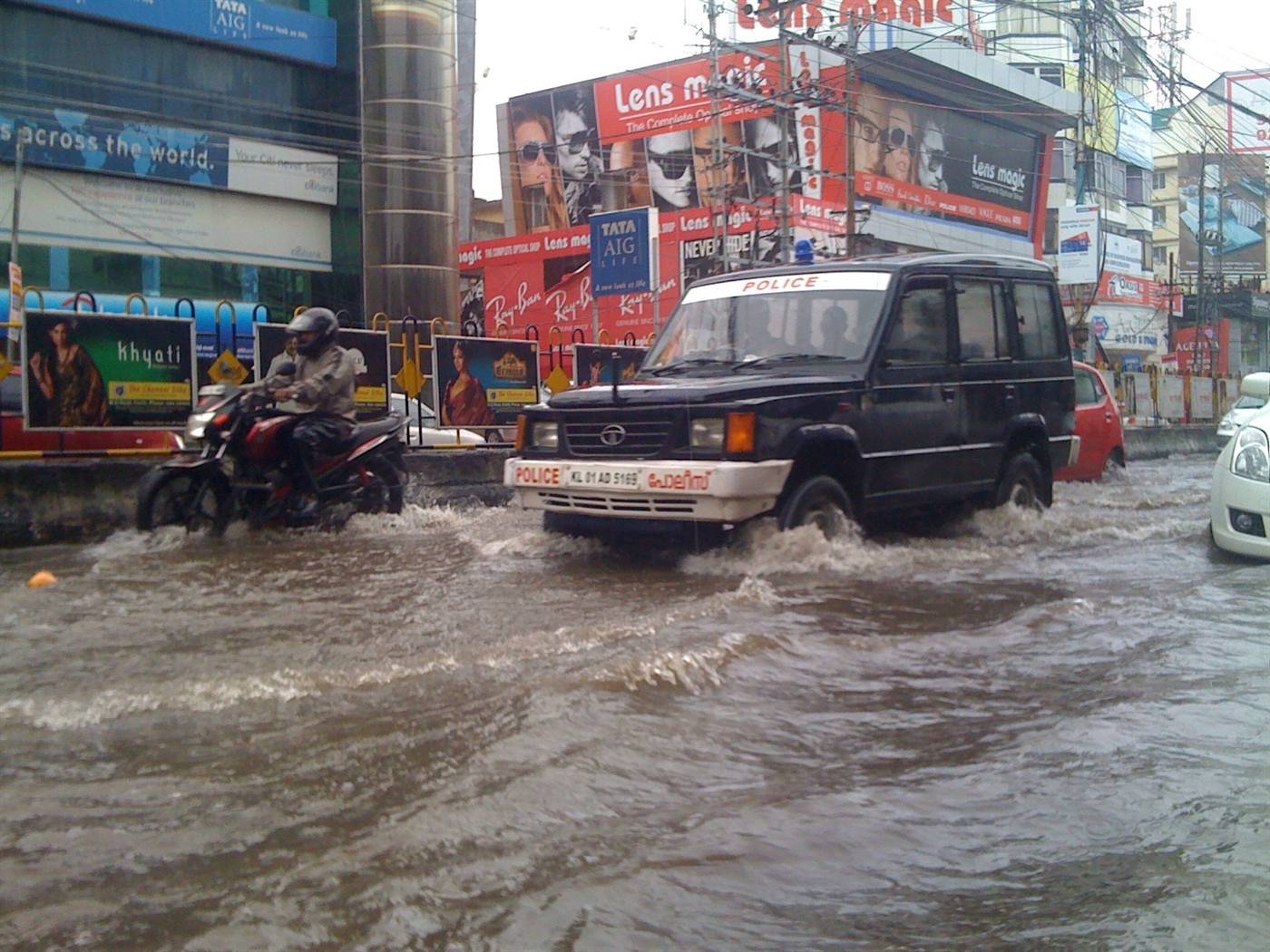
The Ten-Point Monsoon Cargo Damage Checklist
The first third · about 108 of 356 words
Q2 and Q3 bring monsoon rain across most Indian corridors. Wet damage is an attritional loss: small, frequent and preventable, which is exactly the kind of loss that never makes headlines and still erodes margin. The checklist below treats it as a process problem.
Pre-dispatch tarpaulin inspection. Confirm every consignment is covered and the covers are intact. Record existing damage or weak points. A document chain linked from dispatch speeds up any later claim.
Closed vehicles and the freight-versus-loss trade-off. Prefer closed vehicles in the rains, check seals against water ingress, verify vehicle condition before loading, and compare the extra freight with expected wet losses.
On-the-spot virtual inspections.
Dry Bulk Shortages: Net Displacement, Moisture, Moral Hazard
The first third · about 111 of 344 words
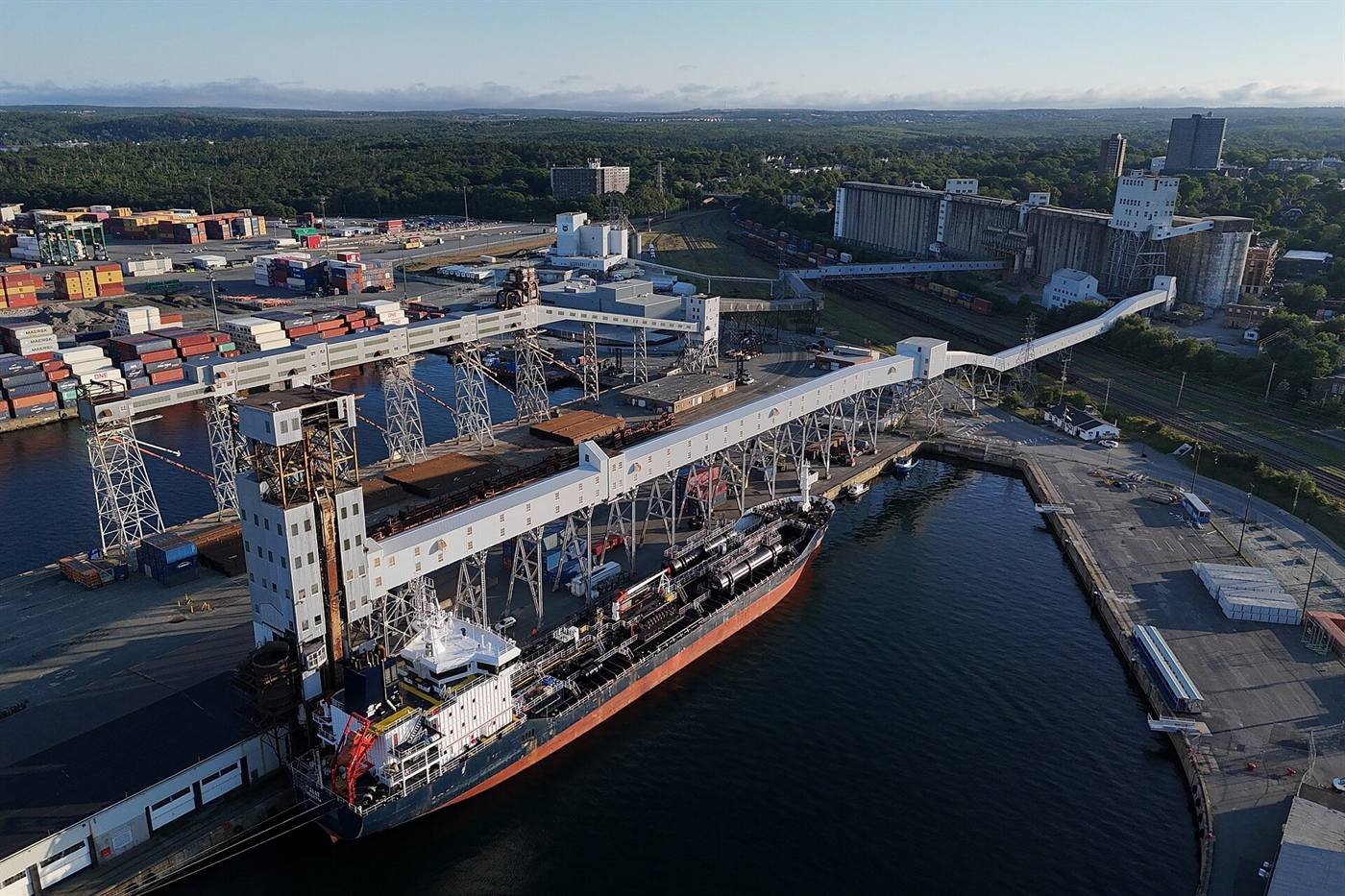
Coal, grain and minerals move in bulk, and the quantity is established by a draught survey: the vessel’s displacement before and after loading or discharge. Disputes arise because every term in that calculation can be argued. A reverse analysis starts from the claimed shortage and tests whether the numbers on both sides of the voyage can stand together.
The constant stands for the vessel’s unmeasured baseline weight. A change in the constant between ports, or a constant carried over without verification, shifts apparent cargo weight directly. In a shortage dispute it is the first term to examine.
Each survey (load port initial and final, discharge port initial and final) must balance:
Section 71(3) and Why Cargo Claims Move With the Market
The first third · about 96 of 288 words
Sections 67 to 78 of the Marine Insurance Act 1906 deal with the measure of indemnity. Section 71 covers partial loss of goods, and its third sub-section is the one that governs most cargo damage assessments. In substance: where goods are delivered damaged at destination, the indemnity is the proportion of the policy sum (valued policy) or insurable value (unvalued policy) that the difference between gross sound and damaged values at the place of arrival bears to the gross sound value.
GASV: gross arrived sound value, what the goods would have fetched at arrival if undamaged.
Detecting Fraud in Marine Cargo Insurance: A Checklist
The first third · about 128 of 426 words
Seller and buyer verification. Verify the identity and background of first-time and second-time sellers and buyers. Look for histories of fraud or unusual practices.
A company formed recently, or a director with a history of serially opening and closing companies in short spans, especially in tax havens such as Hong Kong, Singapore, Dubai or Mauritius, is a major red flag.
Customer due diligence. Use a proper process and external background checks to verify identity and reputation of every party.
Invoice scrutiny. Compare invoice value with market rates and history. Look for over- and under-invoicing.
Multiple invoices. Investigate cases where one invoice is issued for remittance and another for duties.
Duty drawback. Verify claims against customs records.
Duty evasion. Watch for repeated under-declaration, and verify declared value against customs.
Declaration on the Last Day, Shipment After Expiry
The first third · about 128 of 487 words
The policy runs for twelve months. The declaration invoice is given on the last day of the policy. The consignment moves the next day, after the policy period has ended. Meanwhile the assured has moved from Insurer ABC to Insurer XYZ. A loss occurs. Should ABC pay, XYZ pay, or both contribute?
The question turns on the difference between the term of the policy and the term of the coverage, and on what the law says about declarations.
Section 64VB provides that no risk is assumed unless the premium is received in advance. If ABC took the premium on the last day, the argument that the twelve months had lapsed before the cargo moved is difficult to sustain against the declaration that attached the shipment to the policy.
SOP: Loading and Lashing Over-Dimensional Cargo
The first third · about 117 of 365 words
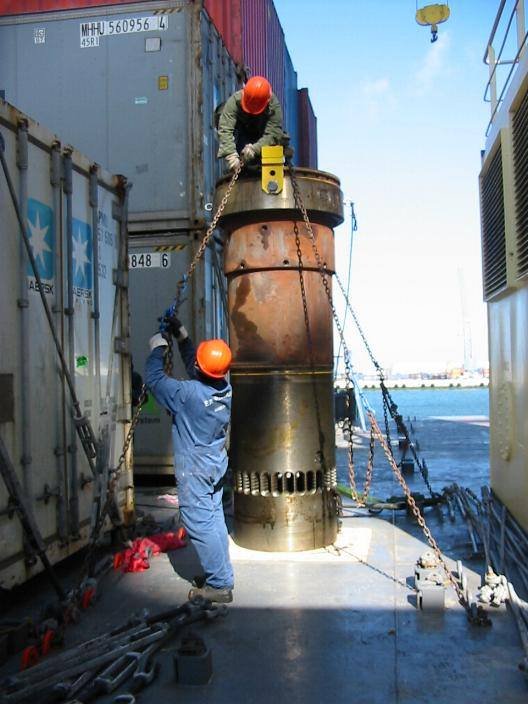
To load and lash over-dimensional cargo (ODC) onto a transport vehicle safely, within industry safety standards and regulations. Personnel must be trained and equipped for the task. For the wider picture, see the iCargoFinsure guide on ODC cargo inspection in India.
Cargo: verify dimensions, weight and condition against transport requirements, and check for protruding or sharp edges.
Vehicle: inspect the flatbed or specialised transporter for structural damage or mechanical faults and confirm it carries the necessary securing equipment.
Position the cargo for even weight distribution and stability; use dunnage where needed, keeping the dunnage-to-cargo coefficient of friction within acceptable limits.
Identify securing points on both cargo and vehicle. They must be sturdy and designed for securing cargo.
Five Survey Report Prompt Templates for Cargo Surveyors
The first third · about 162 of 502 words
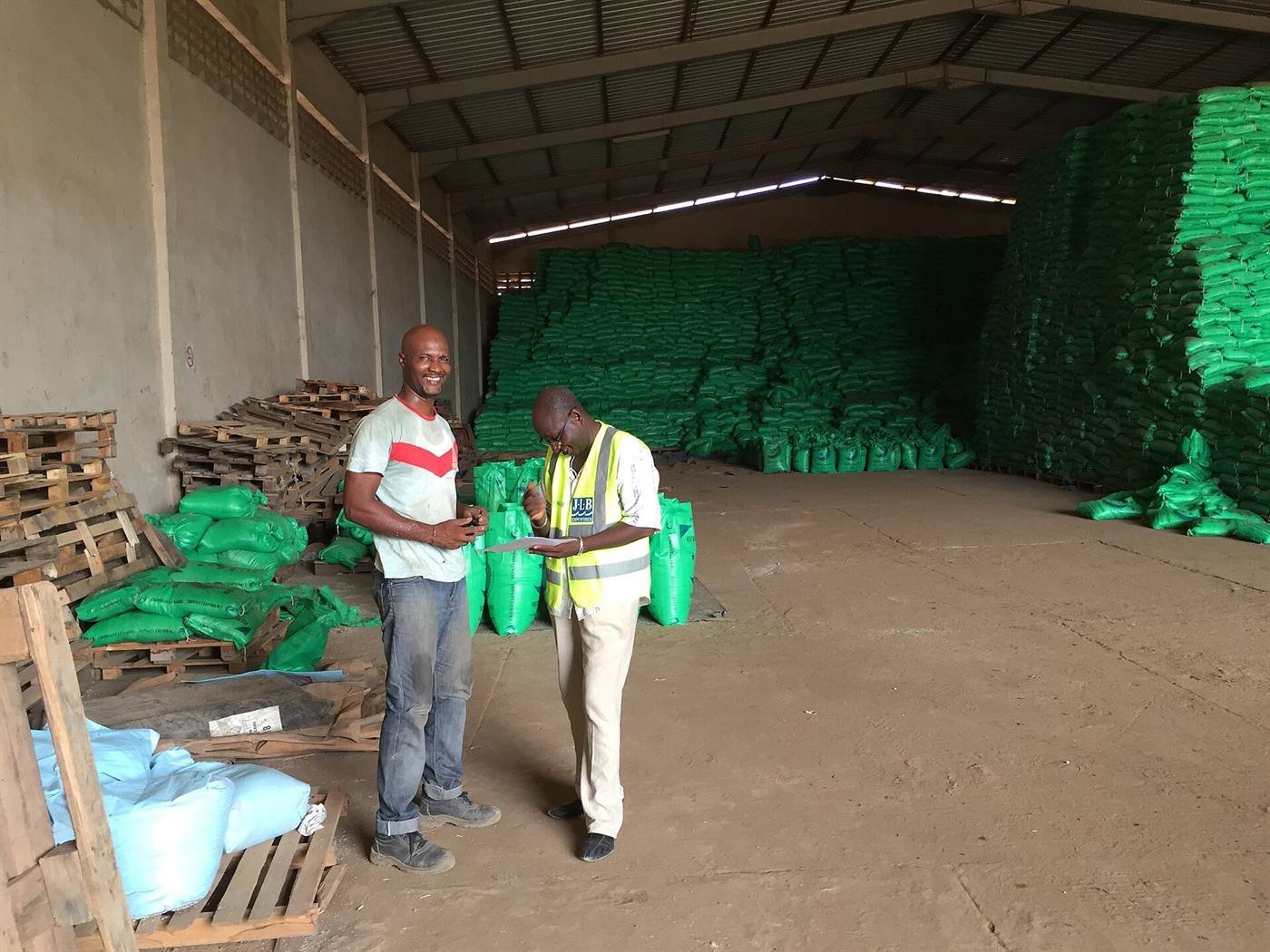
Paste a template into an AI assistant, then replace each bracketed field with your own findings. Treat the output as a skeleton. A survey report is a professional document and its facts must come from your inspection, photographs and measurements.
Prompt: ‘Act as an experienced marine cargo surveyor. Draft a complete cargo insurance damage survey report for a dry box container shipment.’ Include:
Surveyor’s details, date, time and location of inspection (port, yard or warehouse).
Vessel, voyage, container and seal numbers; shipper and consignee.
Cargo description and packing: commodity, weight, packaging.
Circumstances of loss or damage, narrated and observed.
External and internal container condition: rust, dents, structural issues, cleanliness, odour, water ingress.
Seal integrity, damage description and probable causes: seals intact or broken, nature, extent, percentage of cargo affected, link to handling or transit.
Photographic references, salvage recommendations and liability observations: carrier, forwarder, shipper roles.
Final remarks and an unbiased conclusion.
Prompt: ‘You are a certified marine cargo surveyor for perishable cargo.
Every note, in one list
- Insurer Data Leakage: What Closed Claims ForgetLead study · Insurer intelligence
- How to Quantify Damage in Paper and Newsprint ReelsClaims arithmetic
- A Cyclone and Typhoon Claims SOP for Cargo OwnersEvent response
- The Ten-Point Monsoon Cargo Damage ChecklistLoss prevention
- Dry Bulk Shortages: Net Displacement, Moisture, Moral HazardDry bulk
- Section 71(3) and Why Cargo Claims Move With the MarketMarine insurance law
- Detecting Fraud in Marine Cargo Insurance: A ChecklistFraud and underwriting
- Declaration on the Last Day, Shipment After ExpiryMarine insurance law
- SOP: Loading and Lashing Over-Dimensional CargoOver-dimensional cargo
- Five Survey Report Prompt Templates for Cargo SurveyorsSurveyor toolkit